
Marriage, Desire, and Charity
The Screwtape LettersThis flow develops the tension between romantic excitement, enduring commitment, and the charity needed for shared life.
increasing Bearing strength in each event
 decreasing
Bearing strength in each eventdecreasingRomance as the Only Reason

A Narrow Ideal
Feeling
Screwtape describes a cultural belief that marriage is respectable only when founded on being in love. The feeling is then expected to remain permanently intense.
Consequence
The ideal can discourage people from seeking marriage for fidelity, mutual aid, and family life. It makes a temporary emotional state the measure of a lasting promise.
The Meaning of One Flesh
A Bond Beyond Mood
Relation
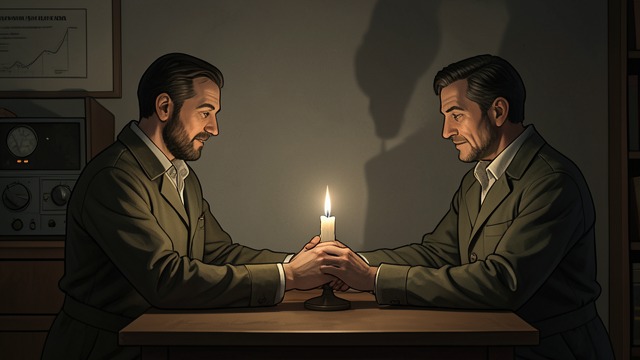
Screwtape argues that sexual union establishes a lasting relation, whether or not the participants understand or welcome its significance. The phrase one flesh is not limited to happy romance.
Weight
The argument challenges the idea that affection alone creates the moral meaning of marriage. Desire and responsibility are bound together more deeply than a passing feeling suggests.
Courtship’s Unselfishness

Giving Without Charity
Enchantment
The patient and his lover may willingly yield to each other while romantic excitement lasts. They can mistake this ease for a stable capacity for self-giving.
Trap
If they make exceptional sacrifices into a permanent rule, later exhaustion may produce hidden resentment. Genuine charity cannot be replaced by a law built on temporary emotion.
The Generous Conflict

Wishes Concealed
Performance
One partner may insist on the other’s preference in order to appear generous. The recipient refuses, also claiming unselfishness, while both conceal their actual desires.
Resentment
The dispute can become more bitter than a frank disagreement because each party feels morally superior and privately wronged. The language of sacrifice hides self-importance.
Love Requires More

Beyond Romantic Feeling
Need
The letters insist that love as excitement cannot solve every problem of shared life. The enduring work requires charity, honesty, and attention to the other person.
Open Ending
The patient’s marriage is never narrated as a completed event. His love for the Christian woman remains an occasion for growth rather than a guaranteed domestic resolution.
When Screwtape discusses marriage conventions
During Screwtape’s explanation of sexual relations
During the patient’s courtship
As Screwtape describes domestic life after courtship
After the patient’s relationship deepens
